

Weight loss delivers powerful health advantages beyond aesthetics. Even a modest 5–10% reduction in body weight can significantly lower blood pressure, cholesterol, and diabetes risk while improving heart, joint, and mental health, leading to a longer, higher quality life.
Key Takeaways
- Reduces risk of heart disease, stroke, and type 2 diabetes.
- Improves insulin sensitivity and blood sugar regulation.
- Decreases joint pain and enhances physical mobility.
- Enhances sleep quality, respiratory health, and energy levels.
- Supports hormonal balance, fertility, and cognitive function.
- Promotes mental well-being, longevity, and overall vitality.
What is Fat Gain?
Fat gain occurs when the body stores excess energy from food in the form of adipose tissue. This happens when calorie intake consistently exceeds the number of calories burned through daily activities and metabolism. Factors such as diet, hormonal imbalances, genetics, and lifestyle choices play a role in fat accumulation. Over time, excess fat storage can lead to obesity and related health conditions like heart disease and diabetes. Understanding fat gain helps in making informed choices for weight management and overall health.
Causes Of Fat Gain
Fat gain occurs when there is a prolonged imbalance between calorie intake and expenditure. Several lifestyle and physiological factors contribute to excess fat accumulation, increasing the risk of various health issues.
- Poor Dietary Habits: Consuming processed foods, excessive sugar, and unhealthy fats leads to fat storage.
- Lack of Physical Activity: A sedentary lifestyle results in unused calories being stored as fat.
- Hormonal Imbalances: Conditions like hypothyroidism and insulin resistance can promote fat accumulation.
- Emotional Eating: Stress, anxiety, or boredom often trigger overeating and unhealthy food choices.
- Inadequate Sleep: Poor sleep disrupts hunger hormones, increasing cravings and fat storage.
Should You Lose Weight?
No reason for not losing weight at all. Weight loss is about more than just aesthetics; it directly impacts overall health and quality of life. By reducing body weight, you can significantly lower health risks, enhance physical abilities, and improve mental well-being.
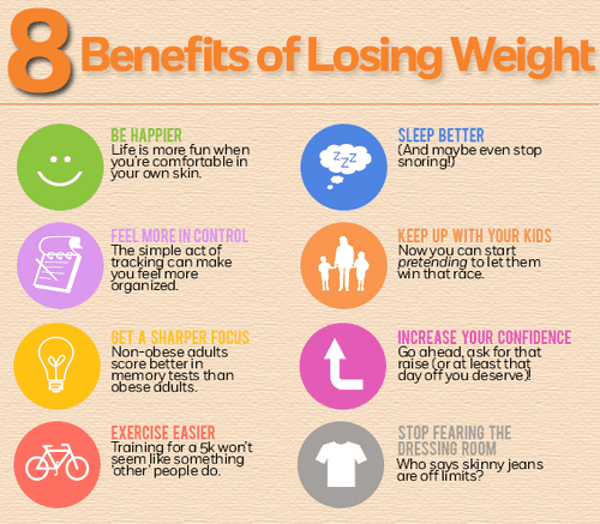
8 Health Benefits of Weight Loss
Weight loss is often discussed in the context of appearance, but its impact on overall health is profound. Even a modest reduction in weight can bring significant benefits that improve quality of life and reduce the risk of serious diseases. This article explores nine key health benefits of weight loss backed by research and expert insights, presented in a clear, accessible way.
1. Improved Cardiovascular Health
Weight loss eases the workload on the heart by reducing excess fat and lowering blood pressure. Cholesterol levels improve, with a decrease in harmful LDL cholesterol and an increase in beneficial HDL cholesterol, reducing the risk of heart disease, stroke, and cardiovascular mortality. Even a 5–10% weight loss can positively influence cardiovascular outcomes.
2. Enhanced Blood Sugar Regulation and Type 2 Diabetes Benefits
Losing weight improves insulin sensitivity, helping to regulate blood sugar levels. A 5–10% weight reduction can lower the risk of developing type 2 diabetes or help manage the condition, with some achieving remission or reducing medication needs.
3. Reduced Risk of Certain Cancers
Weight loss impacts hormone levels and inflammation, lowering the likelihood of cancers such as pancreatic, kidney, postmenopausal breast, endometrial, and liver cancers. Maintaining a healthy weight acts as a preventative measure for long-term health.
4. Decreased Joint Pain and Improved Mobility
Extra weight puts stress on weight-bearing joints, leading to pain and inflammation. Losing weight reduces this strain, improving joint health, reducing pain, and enhancing mobility encouraging further physical activity.
5. Better Respiratory Health and Sleep Quality
Weight loss can relieve sleep apnea, chronic snoring, and other breathing issues by reducing excess fat around the neck and chest. This improves lung capacity, oxygen flow, and sleep quality.
6. Boosted Mental Health and Cognitive Function
Weight loss supports self-esteem, reduces anxiety and depression symptoms, and enhances focus and concentration. Better sleep and reduced inflammation also benefit mental clarity and mood.
7. Increased Energy Levels and Physical Vitality
With less body mass, stamina and exercise capacity improve. Increased activity boosts cardiovascular fitness and creates a cycle of more energy leading to more movement.
8. Hormonal Balance and Fertility Improvements
Weight loss restores hormonal balance, improving ovulation, conception rates, and pregnancy outcomes in women, while also enhancing testosterone levels and reproductive health in men.
The Importance of Weight Loss for Health
Here are the key points on the importance of weight loss for health in short form:
- Lowers the risk of chronic diseases like heart disease, type 2 diabetes, and certain cancers
- Helps reduce high blood pressure and improves cholesterol levels
- Improves blood sugar control and reduces insulin resistance
- Relieves joint pain and enhances mobility
- Improves sleep quality and reduces sleep apnea symptoms
- Boosts energy levels and daily physical performance
- Supports better mental health and self-esteem
- Restores hormonal balance and improves fertility
- Promotes a longer lifespan and better quality of life
Food to Eat vs. Food to Avoid
Choosing the right foods is essential for sustainable weight loss. Prioritizing nutrient-dense options can help boost metabolism, control hunger, and improve overall health. Below is a comparison of foods to include and avoid in your diet:
| Foods to Eat | Foods to Avoid |
| Lean Proteins: Chicken, fish, tofu | Processed Foods: Chips, packaged snacks |
| Whole Grains: Quinoa, brown rice, oats | Sugary Drinks: Soda, sweetened coffee |
| Healthy Fats: Avocado, olive oil, nuts | Refined Carbs: White bread, pastries |
| Fiber-Rich Foods: Vegetables, fruits, legumes | Unhealthy Fats: Fried foods, margarine |
| Hydrating Fluids: Water, herbal teas | High-Calorie Desserts: Cakes, ice cream |
Conclusion
In conclusion, weight loss is far more than a cosmetic goal, it is a powerful investment in overall health and longevity. Even modest reductions in body weight can bring measurable improvements to heart health, blood sugar control, joint function, breathing, and mental wellbeing. It also lowers the risk of serious diseases, enhances daily energy, and supports hormonal balance and fertility.
These benefits work together to improve quality of life now and in the long term. Achieving and maintaining a healthy weight through sustainable habits is one of the most effective ways to protect your body and live a longer, healthier life.
FAQs
How much weight loss is needed to start seeing health benefits?
Even losing 5-10% of your body weight can produce significant health improvements.
Does losing weight improve heart disease risk immediately?
Health benefits may begin soon after weight loss, but continued management maximizes cardiovascular protection.
Can weight loss help reverse type 2 diabetes?
Yes, many people can improve or even remit diabetes through sustained weight loss and lifestyle changes.
What are the best ways to lose weight for joint pain relief?
A combination of healthy eating and low-impact exercise such as swimming or walking is ideal.
How does weight loss affect sleep apnea?
Reducing weight decreases airway pressure and often improves or resolves sleep apnea symptoms.
Are mental health benefits guaranteed with weight loss?
While many experience improvements, individual results vary. Healthy habits and support enhance outcomes.
Can weight loss improve my energy levels even if I’m not very active?
Yes, reducing weight decreases fatigue and can increase overall vitality regardless of activity level.
How does weight loss impact fertility in men and women?
Weight loss can restore hormone balance and improve reproductive function in both genders.
Is it possible to reduce cancer risk by losing weight?
Maintaining a healthy weight lowers the risk of certain cancers linked to obesity.
Does weight loss actually help you live longer?
Studies show that healthy weight loss is associated with increased lifespan and reduced mortality risk.
Reference
- Research on weight loss reducing heart disease risk and improving cardiovascular markers: https://pmc.ncbi.nlm.nih.gov/articles/PMC5497590/
- Overview of cardiovascular benefits from weight loss and reduced mortality: https://www.rethinkobesity.global/global/en/cvd/weight-loss-and-benefits-for-cardiovascular-disease-cvd.html
- Effects of weight loss on cardiac structure and function: https://www.medscape.com/viewarticle/new-weight-loss-options-improve-cardiac-health-2025a1000cf1
- Weight loss and diabetes prevention evidence from clinical programs: https://pmc.ncbi.nlm.nih.gov/articles/PMC5497590/
- Type 2 diabetes remission linked to weight loss and long-term effects: https://www.healthline.com/health-news/weight-loss-type-2-diabetes-remission
- Dose-response relationship between weight loss and diabetes remission: https://www.thelancet.com/journals/landia/article/PIIS2213-8587(24)00346-2/abstract
- Association between intentional weight loss and decreased obesity-related cancer risk: https://diabetes.org/newsroom/press-releases/weight-loss-associated-decreased-cancer-risk-individuals-obesity
- Studies on weight loss lowering risk of breast, endometrial, and colorectal cancers: https://pmc.ncbi.nlm.nih.gov/articles/PMC6795232/
- Weight loss impact on knee pain and function in osteoarthritis patients: https://www1.racgp.org.au/ajgp/2024/december/evaluating-the-role-of-weight-loss-in-symptomatic
- Clinical trial data on dose-dependent joint pain relief with weight loss: https://pmc.ncbi.nlm.nih.gov/articles/PMC6203601/
- Weight loss medication reducing sleep apnea severity: https://www.woolcock.org.au/news/weight-loss-medication-treats-sleep-apnea
- Long-term studies on weight loss decreasing obstructive sleep apnea severity: https://pmc.ncbi.nlm.nih.gov/articles/PMC7874406/
- Meta-analysis on mental health improvements from behavioral weight loss interventions: https://pmc.ncbi.nlm.nih.gov/articles/PMC7116866/
- Psychological aspects of weight loss including improved self-esteem: https://www.brownhealth.org/be-well/psychological-side-weight-loss
- General benefits of weight loss improving stamina and energy levels reported by health organizations: https://www.baptisthealth.com/blog/weight-management/9-health-benefits-of-weight-loss

Dr. Priya Mehta, MD, MPH, is an obesity medicine specialist with more than 10 years of experience in clinical nutrition, metabolic health, and lifestyle medicine. She earned her medical degree from Stanford University and an MPH in Nutrition Policy from Harvard T.H. Chan School of Public Health. Dr. Mehta’s practice emphasizes evidence-based weight management through behavioral science, medication therapy, and nutrition education. She has contributed to national obesity treatment guidelines and serves as a consultant for public health weight-loss initiatives.