

Sunscreen is vital for shielding skin from harmful UVA and UVB rays that cause premature aging, sunburn, and skin cancer. Regular use preserves collagen, prevents pigmentation, and maintains firmness. Broad-spectrum SPF 30+ ensures effective daily protection for all skin types and tones.
Key Takeaways
- UVA causes aging; UVB leads to sunburn and DNA damage.
- SPF 30+ broad-spectrum is the dermatological standard.
- Chemical sunscreens absorb UV; mineral types reflect it.
- Consistent use reduces cancer risk and prevents dark spots.
- Reapplication every two hours is crucial for full protection.
- Sunscreen is necessary for all skin tones and weather conditions.
- Reef-safe and fragrance-free options protect both skin and environment.
Understanding UV Radiation and Skin Damage
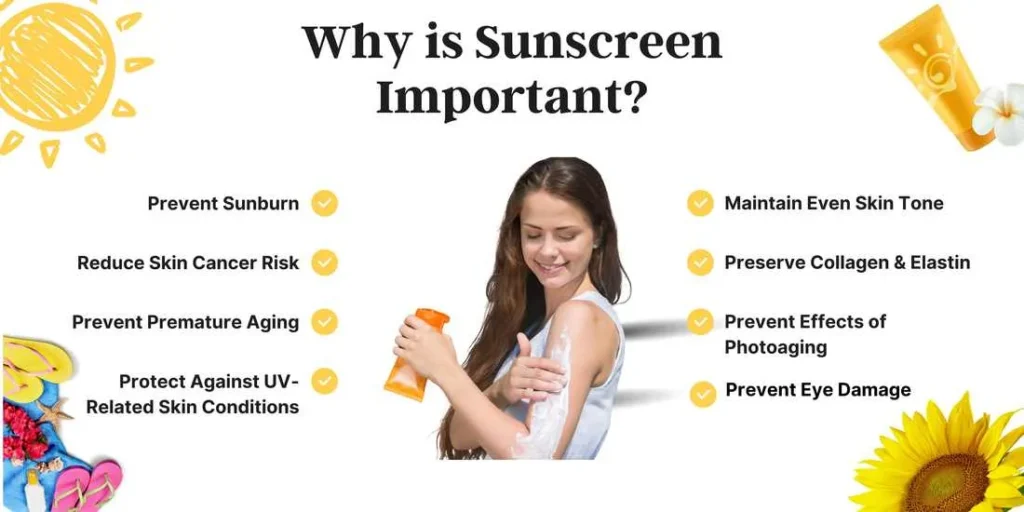
The sun emits two main types of UV rays that affect skin health: UVA and UVB. UVA rays penetrate deeply, causing premature aging by damaging collagen and elastin fibers. UVB rays primarily damage the skin’s outer layers, causing sunburn and playing a large role in skin cancer development.
These rays damage DNA in skin cells, leading to mutations that can develop into cancer. Short-term exposure may cause redness and sunburn. Long-term and repeated exposure accelerates wrinkles, pigmentation, and increases cancer risk.
Key points:
- UVA causes aging and deep skin damage.
- UVB causes sunburn and DNA damage.
- Both types increase skin cancer risk.
Tip: Combining sunscreen with facial masks for glowing skin helps restore brightness lost from sun exposure.
Importance of Sunscreen for Skin Health
Sunscreen is a vital part of daily skin care that protects against harmful ultraviolet (UV) radiation. It acts as a shield, preventing damage to skin cells caused by exposure to the sun’s rays.
- Sunscreen protects skin from harmful ultraviolet (UV) radiation: It acts as a shield, blocking or absorbing UV rays that can damage the skin.
- UV exposure causes premature aging, sunburn, and DNA damage: UV rays break down collagen and elastin, leading to wrinkles and age spots, and can cause painful sunburn.
- Regular sunscreen use reduces the risk of skin cancer: By preventing DNA damage caused by UV rays, sunscreen lowers the chances of both melanoma and non-melanoma skin cancers.
- Sunscreen preserves skin firmness by protecting collagen and elastin: It helps maintain the structural proteins that keep skin tight, smooth, and youthful.
- It helps prevent dark spots and uneven pigmentation: Sunscreen stops UV-induced melanin overproduction that causes discoloration and age spots.
- Sunscreen is necessary for all skin types and tones: Everyone is vulnerable to UV damage, so all skin tones need sun protection.
- Applying sunscreen daily supports long-term skin health: Consistent use prevents cumulative sun damage that accelerates aging and skin problems.
- Sunscreen acts as a barrier, blocking or absorbing UV rays: Chemical sunscreens absorb UV rays; mineral types reflect and scatter them.
- Proper use prevents sunburn and reduces inflammation: Sunscreen protects skin from redness, swelling, and irritation caused by UV exposure.
- Incorporating sunscreen into skincare routines promotes youthful skin: Sunscreen combined with other skincare helps maintain healthy, glowing skin over time.
Sunscreen and Skin Cancer Prevention
Regular sunscreen use drastically reduces the risk of skin cancers such as melanoma and non-melanoma types. Studies prove daily application lowers cancer incidence by protecting DNA from UV damage. Sunscreen blocks and absorbs harmful rays, preventing harmful mutations in skin cells.Sunscreen is the most effective preventive tool against UV-induced cancers. Its consistent use not only protects but also aids early skin damage repair.
- Sunscreen reduces melanoma and other skin cancer risks.
- Protects DNA from UV-induced harm.
- Essential for daily preventive skin care.
Pro tip: Avoiding skincare mistakes like underapplying sunscreen or skipping cloudy days is key for prevention.
Anti-Aging Benefits of Sunscreen
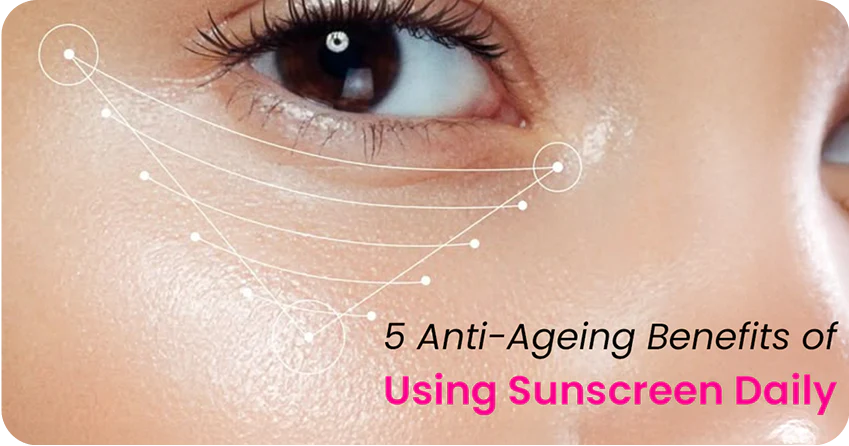
Sunscreen is also a powerful tool for preserving youthful skin. UV exposure degrades collagen and elastin, leading to wrinkles and sagging. Sunscreen limits this damage, maintaining skin firmness and elasticity.Daily use prevents uneven pigmentation, age spots, and dullness by protecting skin from UV oxidative stress.
- Sunscreen helps prevent wrinkles and sagging.
- Protects collagen and elastin from UV damage.
- Maintains even skin tone and brightness.
For deeper anti-aging, pairing sunscreen with retinol for skin care can maximize long-term results.
Types of Sunscreen: Chemical vs Mineral
Sunscreens come in two main varieties: chemical and mineral. Chemical sunscreens absorb UV rays and convert them to heat. Ingredients include avobenzone and oxybenzone. They tend to be lighter and blend easily but may irritate sensitive skin.
Mineral sunscreens, containing zinc oxide or titanium dioxide, reflect and scatter UV rays. They are often gentler, suitable for sensitive or reactive skin. Mineral sunscreens provide immediate protection and are less likely to cause irritation.
- Chemical sunscreens absorb UV radiation.
- Mineral sunscreens reflect UV rays.
- Choose based on skin type and sensitivity.
| Aspect | Details |
| Types of Sunscreen | Chemical (absorbs UV rays) and Mineral (reflects UV rays) |
| Common Ingredients | Chemical: Avobenzone, Oxybenzone; Mineral: Zinc Oxide, Titanium Dioxide |
| Skin Type Suitability | Chemical: lighter, may irritate sensitive skin; Mineral: gentle, ideal for sensitive skin |
| SPF Meaning | Sun Protection Factor indicates UVB protection level (SPF 30 blocks ~97% UVB) |
| Broad-Spectrum | Protects against both UVA (aging) and UVB (burning) rays |
| Application Amount | 1 teaspoon for face/neck, 1 shot-glass amount for body |
| Reapplication Frequency | Every 2 hours, or immediately after swimming, sweating |
| Daily Use Recommendations | Use every day, even on cloudy days or indoors near windows |
| Common Myths | Sunscreen causes vitamin D deficiency (false), dark skin doesn’t need sunscreen (false) |
SPF Ratings and Protection Levels
Sun Protection Factor, SPF, measures protection against UVB rays. SPF 30 blocks about 97% of UVB, SPF 50 blocks 98%. Broad-spectrum sunscreens also protect against UVA, important for preventing aging and cancer.
Dermatologists recommend SPF 30 or higher for effective daily protection and reapplication every two hours.:
- SPF indicates UVB protection level.
- Broad-spectrum covers UVA and UVB.
- SPF 30+ is recommended.
Proper Sunscreen Application and Usage
Proper sunscreen use is critical for effectiveness. Most people apply too little or miss areas like ears, neck, and hands. Apply at least one teaspoon for the face and one shot-glass amount for the body 15 to 30 minutes before sun exposure. Reapply every two hours and immediately after swimming or sweating.
- Use generous amounts covering all exposed skin.
- Apply before going outdoors.
- Reapply regularly, especially after water exposure.
Special Considerations for Different Skin Types
People with sensitive skin should choose fragrance-free, mineral sunscreens to reduce irritation risk. Darker skin tones also require sunscreen as UV damage can cause pigmentation changes and skin cancer, though risk perception is misunderstood. Children and elderly have delicate skin needing gentle, high-protection sunscreens.
- Mineral sunscreens for sensitive skin.
- Broad-spectrum for all skin tones.
- Use formulas suitable for children and elderly.
Common Sunscreen Myths and Misconceptions
Misunderstandings about sunscreen often discourage its regular use, putting skin health at risk. Clearing up these myths helps people make informed decisions about sun protection.
- Sunscreen causes vitamin D deficiency: This is false. Moderate sun exposure helps the body produce enough vitamin D, and using sunscreen does not significantly block this process.
- Dark skin does not need sunscreen: All skin tones can suffer UV damage, pigmentation issues, and skin cancer. Sunscreen is important for everyone.
- Higher SPF means longer protection: SPF indicates the level of UVB protection but does not extend the time sunscreen remains effective. Reapplication every two hours is necessary.
- Sunscreen is only needed on sunny days: UV rays can penetrate clouds and windows, so daily use is recommended regardless of weather.
- Chemical sunscreens are unsafe: Both chemical and mineral sunscreens are safe and effective when used properly.
- Sunscreen blocks all UV rays completely: No sunscreen offers 100% protection; combining with shade and protective clothing is important.
Environmental and Safety Concerns
Concerns about sunscreen ingredients affecting coral reefs and human health have led to reef-safe formulations using mineral ingredients. Research shows sunscreens are generally safe, with benefits far outweighing risks. Using eco-friendly options helps protect the environment without compromising skin safety.
- Reef-safe sunscreens protect marine life.
- Sunscreens are safe and effective.
- Eco-friendly choices balance protection and environment.
Want better daily habits? Check out these skin care tips for teenagers they apply to adults too!
Conclusion
Sunscreen protects skin from UVA and UVB rays that cause aging, sunburn, and cancer. UVA damages skin’s collagen, while UVB causes DNA harm and sunburn. Using sunscreen daily reduces cancer risk, preserves skin firmness, and prevents dark spots. Chemical sunscreens absorb UV rays; mineral sunscreens reflect them. SPF 30+ and broad-spectrum protection are recommended.
Apply generously and reapply every two hours, especially after water exposure. Sunscreen is necessary for all skin tones. Myths about vitamin D deficiency and dark skin skipping sunscreen are false. Environmentally safe formulas protect both skin and oceans.
FAQs
How much sunscreen should I apply daily?
Use about one teaspoon for your face and neck and a shot glass amount for the body.
Is sunscreen necessary on cloudy days?
Yes, up to 80% of UV rays penetrate clouds.
Can sunscreen prevent all types of skin cancer?
It significantly reduces risk but cannot guarantee 100% prevention.
What’s the difference between water-resistant and waterproof?
“Water-resistant” lasts 40-80 minutes in water; no sunscreen is fully waterproof.
Should I use a separate sunscreen or moisturizer with SPF?
Both work; separate sunscreen often provides stronger protection.
How often should I reapply sunscreen?
Every two hours, and after swimming or sweating.
Are chemical or mineral sunscreens better?
Choose based on skin sensitivity and preference; mineral sunscreens suit sensitive skin best.
Can dark skin skip sunscreen?
No, dark skin is still at risk for UV damage and pigmentation issues.
Does sunscreen block vitamin D production?
Sunscreen may reduce vitamin D synthesis, but moderate exposure can compensate.
When should children start using sunscreen?
From six months old, with pediatrician guidance.
Reference
- Dermatology and Skin Health – The Importance of Sunscreen
https://dermskinhealth.com/the-importance-of-sunscreen/ - Harvard School of Public Health – Skin Cancer Prevention Expert on Sunscreen
https://hsph.harvard.edu/news/skin-cancer-prevention-expert-on-the-importance-of-sunscreen/ - The Skin Cancer Foundation – Sunscreen
https://www.skincancer.org/skin-cancer-prevention/sun-protection/sunscreen/ - Cleveland Clinic – Mineral vs. Chemical Sunscreen
https://health.clevelandclinic.org/mineral-vs-chemical-sunscreen - 1mg – Why Sunscreen is a Must-Have for Healthy & Glowing Skin
https://www.1mg.com/articles/why-sunscreen-is-a-must-have-for-healthy-glowing-skin/ - American Academy of Dermatology – How to Apply Sunscreen
https://www.aad.org/public/everyday-care/sun-protection/shade-clothing-sunscreen/how-to-apply-sunscreen - GoodRx – 9 Benefits of Using Sunscreen Every Day
https://www.goodrx.com/health-topic/dermatology/should-you-wear-sunscreen-everyday

Aubrey Carson is an RDN with 9 years across hospital, outpatient, and private practice settings. They earned an MS in Clinical Nutrition from Tufts University – Friedman School (2016) and completed a Dietetic Internship at Mayo Clinic. Aubrey specializes in micronutrient assessment, evidence-based supplementation, and patient education. Their work includes CE presentations for the Academy of Nutrition and Dietetics and collaborations with Mass General Brigham on nutrition education resources.